



Understanding Rapid Prototyping with 3D Printing
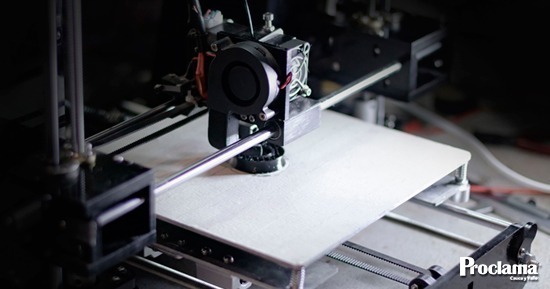
3D printing has revolutionized the product development landscape, particularly in the field of rapid prototyping. This technology allows engineers and R&D teams to validate and refine part designs through multiple design iterations, significantly reducing the traditional constraints of lead times and costs associated with creating low-volume parts for testing.
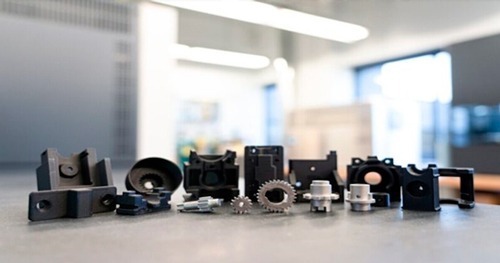
Understanding Rapid Prototyping
Rapid prototyping is an iterative process that enables engineers to quickly fabricate prototypes, streamlining the design and engineering stages of product development. This method transforms an initial concept model into a physical part that can be tested and evaluated. Utilizing digital technologies, especially 3D printing, rapid prototyping bypasses the need for costly tooling and die sets typically required in traditional manufacturing.
This approach not only reduces lead times and fabrication costs but also allows engineers to move away from makeshift foam mockups or clay models. Instead, they can produce test-proven, optimized prototypes that identify potential improvements and verify the design. This process shortens the design cycle, enabling multiple iterations to refine the product until a final, validated design meets both customer and engineering standards.
For advanced applications, such as producing robust prototypes, PVC molds are often utilized to ensure precision and durability.
How Rapid Prototyping Works
The process begins with the creation of a Computer-Aided Design (CAD) file that represents the part to be manufactured. Once the design is finalized, it is imported into the 3D printer’s software. Starting the print process is as simple as pressing a button, which then builds the first iteration of the prototype part. Depending on the complexity and size of the part, this can take anywhere from a few hours to a couple of days.
After the prototype is produced, it undergoes testing and evaluation. Based on the feedback, modifications may be required. Designers can quickly adjust the CAD file and print subsequent iterations. This cycle repeats until the prototype satisfies all the necessary specifications. The use of 3D printers enables the application of various prototyping plastics, such as PLA or higher-strength materials, allowing for adjustments that traditional methods would not permit.
For mass production or testing with industrial-grade materials, processes such as polystyrene injection molding are an excellent complement to rapid prototyping, delivering high-quality, durable parts.
Considerations for Rapid Prototyping
Materials: The choice of materials is critical for balancing cost-effectiveness with performance in prototype fabrication. Advanced 3D printers offer a wide range of material options. For instance, PLA (Polylactic acid) is a popular, low-cost thermoplastic that is easy to print with and suitable for less demanding prototypes. For more robust applications, such as snowboard binding prototypes, materials with enhanced mechanical properties might be necessary. These advanced plastics allow for quicker and more economical production of validated parts compared to traditional manufacturing methods.
Printers: Selecting the right 3D printer for rapid prototyping involves assessing factors such as speed, reliability, supported materials, build sizes, and software functionality. The goal is to find a cost-effective printer that does not compromise on the ability to produce everything from simple prototypes to high-quality end-use parts. A printer that supports PLA provides a straightforward solution without sacrificing reliability. However, opting for a printer that does not meet the project requirements can undermine the advantages of shorter design cycles and negatively affect overall productivity.
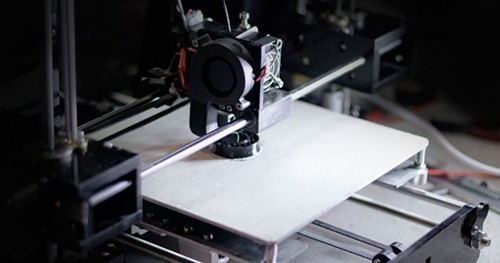
Additionally, effective structural design plays a key role in ensuring the success of prototypes, optimizing them for performance and manufacturability while minimizing material waste.
The emergence of industrial-scale additive manufacturing has further enhanced the impact of 3D printing on rapid prototyping, making it a fundamental strategy in modern manufacturing. This efficiency not only reduces costs and lead times but also accelerates the time to market, providing companies with a significant competitive advantage in a crowded marketplace.
